Criminal law

In a criminal matter, every word and decision can shape what comes next.

Criminal proceedings may begin without warning and affect liberty, reputation, and the future. A measured response from the first stage helps clarify the picture, protect rights, and build a strategy grounded in facts and evidence.

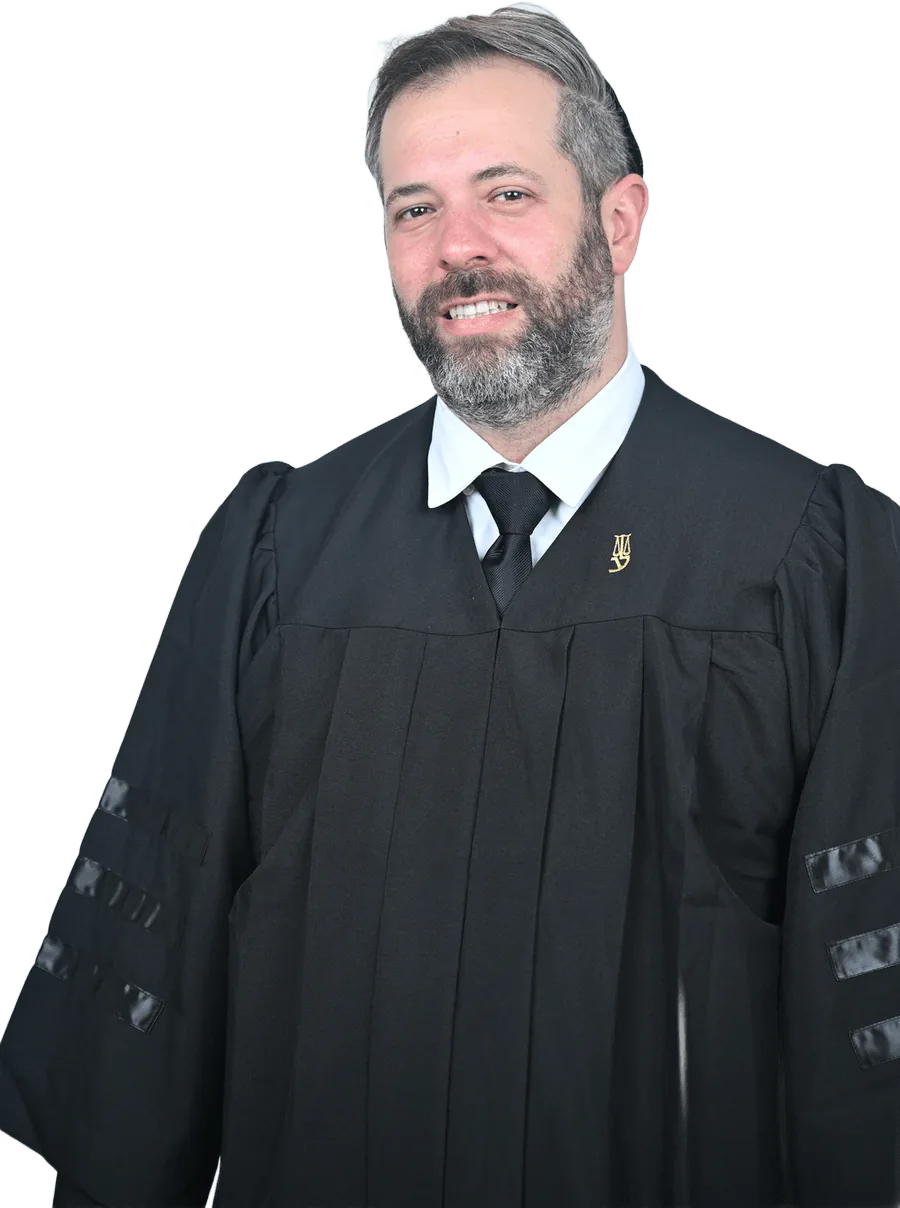
Asi Kalfon, Attorney at Law, wearing an advocate robe
01

FOCUSED SERVICES

Focused help for each stage and situation

HOW THE FIRM HELPS

Clarity is the first step toward calm in a complex situation.

This page provides general information. Advice and representation are adapted to the facts, documents, and stage of each matter.

Effective work on a criminal matter begins by identifying its procedural stage: an initial approach, a summons for questioning, arrest, a closure decision, or proceedings already before a court. Each stage raises different questions, so confirmed information must be separated from assumptions and concerns.

Once the position is mapped, the available documents, sequence of events, statements already given, and possible personal consequences are reviewed. The aim is to build an informed course of action, preserve available options, and avoid decisions made under pressure or with incomplete information.

Representation is not built on promises. It is built on preparation, direct communication, and decisions made after clear explanation of each option’s advantages and disadvantages.

What to gather for an initial review

  • Summonses, notices, and documents issued by an investigating authority
  • The most accurate available timeline of events and conversations
  • Messages, photographs, and documents that may be relevant
  • The current procedural position and the next action required
02

A STRUCTURED PROCESS

Four stages, one point of contact.

01

Listen and map

Understand the event, objective, and urgency.

02

Review

Documents, evidence, deadlines, and relevant history.

03

Choose a strategy

Alternatives, risks, and a practical recommendation.

04

Represent and guide

Consistent action and clear updates.

03

FAQ

Frequently asked questions about Criminal law

General answers to questions that commonly arise at the outset. The precise answer depends on the facts, documents, and procedural stage.

Should I seek advice before questioning?

Yes. Early advice helps clarify your status, rights, and the implications of giving an account.

What should I bring to the first meeting?

Bring every summons, document, correspondence, and a short factual timeline. Do not delete potentially relevant material.

Can an outcome be guaranteed?

No. Risks can be assessed and work undertaken toward the best lawful outcome in the circumstances.

What is reviewed in an initial Criminal law conversation?

The conversation maps the event, procedural stage, relevant dates, and available documents. Its purpose is to identify what is known, what is missing, and what should be reviewed before further action.

Which documents should I prepare?

Prepare the document that opened the procedure or dispute, relevant correspondence, supporting records, and a short timeline. Any further material depends on the issue and stage.

Does seeking advice commit me to proceedings?

No. Advice may simply clarify the position, assess alternatives, and help decide whether to act, wait, or gather further information.

Can the matter be assessed without reviewing documents?

General direction may be possible during a call, but a responsible legal assessment usually requires review of relevant documents and confirmation of facts and dates.

Does early contact matter?

Sometimes, particularly before a formal step or where a document contains a date. Urgency varies by procedure, so another matter’s timetable should not be relied upon.

How long does a Criminal law matter take?

Duration depends on the procedure, factual complexity, volume of material, and conduct of those involved. Expected stages can be discussed after an initial review, but no uniform duration can be set in advance.

Can a legal result be guaranteed?

No. Every matter depends on its facts, evidence, law, and decisions by others. Representation focuses on preparation, a properly supported position, and informed decision-making.

04

RELATED INSIGHTS

Understand before acting

INITIAL CONVERSATION

Tell me briefly what happened.

Leave your details and we will respond. For an urgent matter, please call directly.

WhatsApp